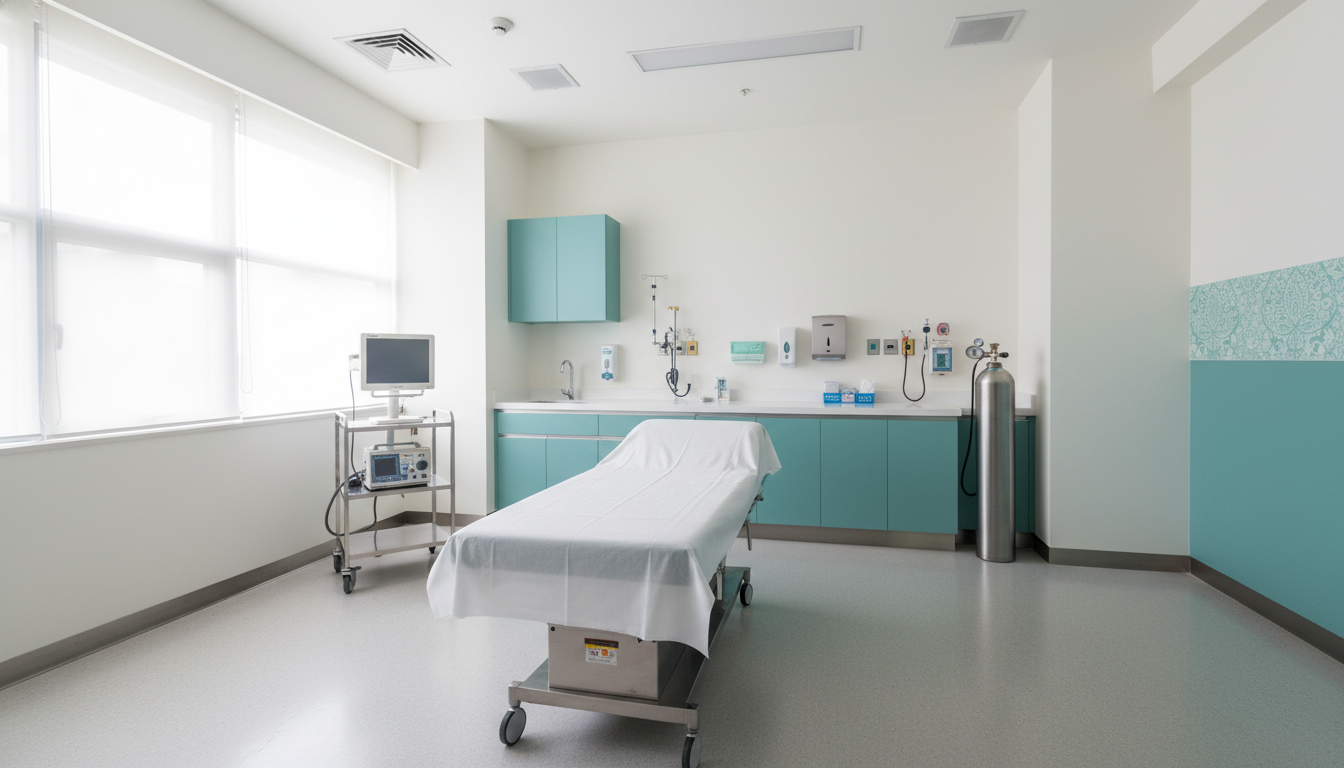
Medical emergencies abroad are made worse by uncertainty: which hospital, which ambulance service, who covers the bill, and which doctor actually speaks the language. At Take Care Clinic on Sukhumvit Soi 13, our English-speaking doctors provide emergency medical care for travelers and expats in Bangkok — same-day urgent consultations, on-site treatment for moderate emergencies, hotel visits anywhere in central Bangkok, and direct admission to partner hospitals when a critical condition needs hospital-level care. We coordinate with international travel insurance, support evacuation if needed, and ensure the patient gets the right level of care rather than the most expensive one.
For genuine life-threatening emergencies — chest pain, stroke symptoms, severe trauma, anaphylaxis, major bleeding — call Thailand’s emergency number 1669 for an ambulance, or go directly to the nearest hospital emergency department. For urgent but not immediately life-threatening problems, we provide a faster and far less expensive route than a hospital ER: same-day clinic appointment, immediate hotel visit, or coordinated hospital admission if the assessment escalates the picture. This page covers what we treat in-clinic, when hospital is the right call, how the ambulance system works, and what care costs.
Emergency Medical Care Today in Bangkok
Same-day urgent appointments and rapid hotel visits across central Bangkok. Call or WhatsApp now for immediate medical assessment.
Phone: +66 62 674 6771
WhatsApp: +66 95 073 5550
Clinic: Take Care Clinic, Sukhumvit Soi 13, Khlong Toei, Watthana, Bangkok 10110
Thailand emergency ambulance: 1669 (free, 24/7)
When to Use Take Care Clinic vs a Hospital ER
Bangkok hospitals are excellent, but a hospital emergency department is expensive, slow, and the wrong setting for problems that can be handled in an outpatient clinic. Our clinic is the right level of care for urgent infections (UTI, ear infection, sinusitis, strep throat, gastroenteritis), high fever, severe pain, minor trauma, asthma flares, allergic reactions short of anaphylaxis, food poisoning and dehydration, animal and insect bites, suspected STIs, urgent prescription needs, and post-trip illness. The clinic team performs the assessment, runs in-clinic tests (urine dipstick, blood glucose, rapid strep, rapid flu), prescribes and dispenses on the spot, sets up IV fluids if needed, and arranges hospital admission directly when the picture warrants it.
Go straight to a hospital emergency department (or call 1669 for an ambulance) for the following: chest pain or pressure suggesting a heart attack, sudden weakness, slurred speech, or facial droop suggesting a stroke, severe head injury with loss of consciousness or vomiting, major bleeding that does not stop with pressure, breathing difficulty with blue lips, anaphylaxis (rapid swelling of lips/tongue, hives, breathing trouble), severe trauma after a road traffic accident, suspected serious abdominal emergencies (severe pain with rigid abdomen), seizures lasting more than a few minutes or repeated, suicide attempts or severe mental health crises, and severe burns. For these, do not stop at a clinic first. If you are unsure which category applies, call us — we will tell you straight, and arrange the ambulance ourselves if it is the right call.
What We Treat as Urgent Care
The most common urgent presentations at our Sukhumvit clinic are gastrointestinal: traveller’s diarrhea, food poisoning, severe vomiting, and dehydration. We do in-clinic rehydration with oral solutions or intravenous fluids depending on severity. Respiratory complaints — sore throat, strep throat, bronchitis, sinusitis, asthma flares, and flu — are evaluated with rapid testing and treated immediately. Urinary problems include same-day diagnosis and treatment of UTIs and acute prostatitis. Skin and soft tissue infections including cellulitis are treated with oral or injectable antibiotics. Acute pain, allergic reactions, severe fever, and acute eye problems are common too.
Trauma is a different category. Minor wounds, lacerations needing sutures, suspected sprains, simple burns, road rash, and post-accident wound care are all handled in-clinic. We perform minor procedures, place sutures, dress wounds, and book follow-up suture removal. For higher-severity trauma we route directly to accident and trauma services or partner hospital emergency departments. Animal bites, particularly dog and monkey bites that carry rabies risk, are treated as urgent at our clinic; we wash the wound, start rabies post-exposure prophylaxis, and administer rabies immunoglobulin when indicated. For comprehensive trauma management we cross-reference our animal bite treatment and tick bite protocols.
Doctor Hotel Visits for Urgent Care
For patients who cannot travel — high fever and weakness, severe gastroenteritis, urinary urgency, post-surgery problems, anxiety about leaving the hotel — we provide rapid doctor hotel visits anywhere in central Bangkok. The visit includes consultation, in-room examination, point-of-care testing where available, prescription and dispensing of medication, IV fluids if needed, wound dressing, and coordination of escalated care if the case turns out to need hospital admission. Most central Bangkok hotel visits are reached within 60 to 90 minutes of the call. The detail on inclusions, coverage areas, and pricing is on the doctor hotel visit services page.
Hospital Admission and Ambulance Coordination
When the picture is beyond outpatient care — pyelonephritis requiring IV antibiotics, severe asthma, suspected appendicitis, deep vein thrombosis, suspected cardiac events, severe trauma — we arrange direct admission to one of our partner Bangkok hospitals. The advantage of this route over walking into an ER yourself is that the receiving consultant has been briefed, the bed is ready, and the right specialty is in attendance. We coordinate with international travel insurance providers from the clinic so payment is sorted before admission rather than after, which is often a significant practical concern for travelers and expats. For genuine immediate-threat emergencies we call the ambulance — Thailand’s national emergency number is 1669, available 24/7 and free, with English-speaking dispatchers in Bangkok. Private ambulance services attached to major Bangkok hospitals are also available with shorter response times in central districts.
Insurance, Documentation, and Repatriation
Most travel and expat insurance policies cover urgent and emergency medical care. We provide itemised English-language receipts, a doctor’s letter with diagnosis and treatment summary, and the standard ICD-10 codes that insurers need. For inpatient admissions through partner hospitals, we work with international insurers’ assistance lines to organise guarantees of payment and ensure direct billing where possible. For situations requiring repatriation — stable enough to travel but needing specialised care at home — we coordinate with international medical evacuation companies. For severe conditions requiring medical escort, this is arranged through specialised assistance companies that handle the logistics of stretcher-equipped commercial flights or air ambulance.
Emergency Medical Care Costs in Bangkok
Outpatient urgent care in Bangkok costs a fraction of equivalent care in Western countries. A standard urgent consultation at our clinic runs 1,500 to 2,500 THB (about USD 45 to 75), with most patients leaving with diagnosis and medication for under 5,000 THB total. Hotel visit fees add 2,000 to 3,000 THB. IV fluid therapy is typically 2,500 to 5,000 THB depending on the regimen. Minor procedures (suturing, drainage, wound dressing) are 1,500 to 4,000 THB. Hospital emergency department visits at international-tier private hospitals are substantially higher — typically 8,000 to 20,000 THB just for assessment, before any treatment — which is one of the main reasons we exist as a middle option between a pharmacy and an ER. Standard travel and expatriate insurance policies cover urgent medical care; we provide all the documentation needed.
Emergency Medical Care Today in Bangkok
Don’t wait it out abroad. Same-day clinic appointments, rapid hotel visits, and coordinated hospital admission are all available immediately. English-speaking doctors, partner Bangkok hospitals, insurance documentation included.
Phone: +66 62 674 6771
WhatsApp: +66 95 073 5550
Thailand ambulance: 1669 (free, 24/7)
Frequently Asked Questions
Should I come to the clinic or go straight to a hospital?
For immediate life-threatening problems (chest pain, stroke symptoms, severe bleeding, anaphylaxis, major trauma), go straight to a hospital ER or call 1669. For urgent but not immediately critical problems — fever, infection, severe stomach upset, urinary problems, asthma flares, minor trauma — the clinic is faster, cheaper, and ends with the same outcome. If you are unsure, call us first and we will tell you straight.
How fast can a doctor reach my hotel?
Most central Bangkok hotels are reached within 60 to 90 minutes of the call, traffic-dependent. We carry the equipment for in-clinic-equivalent assessment and treatment, including IV fluids, injectable medication, wound dressing supplies, and rapid tests.
Will my travel insurance cover this?
Standard travel and expatriate insurance policies cover urgent and emergency medical care. We issue itemised English-language receipts and the doctor’s letter that insurers ask for. For inpatient admissions we coordinate directly with international insurer assistance lines to arrange direct billing where possible.
What is the emergency number in Thailand?
1669 is the national emergency medical services number — free, 24/7, with English-speaking dispatchers available in Bangkok. 191 is the police number. For our clinic directly, +66 62 674 6771.
Can you arrange hospital admission directly?
Yes. We have working relationships with several Bangkok private hospitals and arrange direct admission with the receiving consultant briefed in advance. This is faster and less stressful than walking into an ER cold, and ensures the right specialty is on duty when you arrive.
References
1. National Institute for Emergency Medicine (NIEMS), Thailand. National emergency number 1669. Available at: niems.go.th.
2. International Society of Travel Medicine. Practice guidelines for travel medicine. Available at: istm.org.
3. Centers for Disease Control and Prevention. Travelers’ Health: Getting health care abroad. Available at: cdc.gov/travel.
4. UK Foreign, Commonwealth and Development Office. Thailand travel advice — health. Available at: gov.uk/foreign-travel-advice/thailand.
5. World Health Organization. Emergency care systems framework. Available at: who.int/health-topics/emergency-care.
Medically reviewed by Dr Ponlawat Pitsuwan, MD. Lead physician, Take Care Clinic, Sukhumvit Soi 13, Bangkok. Last reviewed 2026-05-24.