Quick answer
Flu treatment in Bangkok at our walk-in clinic on Sukhumvit Soi 13 starts with a same-day clinical assessment, an on-site rapid influenza test, and immediate treatment with oseltamivir (the antiviral medicine for influenza) within the 48-hour window where it is most effective, plus symptom relief, hydration, and a written sick note for travel insurance or work. Travelers and expats with flu symptoms in Bangkok are usually seen within thirty to sixty minutes, no appointment needed.
Need urgent care in Bangkok? Call +66 62 674 6771 or WhatsApp +66 95 073 5550. Book now
Take Care Clinic, Sukhumvit Soi 13, Bangkok.
What is influenza?
Influenza, commonly called the flu, is a contagious respiratory illness caused by the influenza virus, specifically influenza A and B types. It spreads by respiratory droplets and contact with contaminated surfaces. Unlike the common cold, the flu typically arrives suddenly with high fever, severe muscle aches, headache, dry cough, sore throat, and exhaustion that confines patients to bed for several days. The illness usually peaks within two to three days and recovers over five to seven days in healthy adults, though cough and fatigue can linger for two weeks.
Influenza circulates year-round in tropical Thailand with peaks in the cool dry season around January and February and again in the rainy season from June to October. Bangkok hospitals and Thai clinics see a steady flow of patients with illness caused by influenza throughout the year, particularly among arriving travelers whose immune systems have not encountered the local circulating strains. Untreated, the flu can lead to severe illness including pneumonia, especially in older adults, pregnant patients, and people with chronic conditions.
The flu is not the same as a stomach bug; gastrointestinal symptoms can occur, especially in children aged under five, but vomiting and diarrhea are not the dominant features of influenza in adults. The flu is also not the same as a common cold, which is milder, slower onset, and rarely produces high fever or severe body aches.
Symptoms and red flags
Classic flu symptoms include a sudden onset of high fever (often 38.5 to 40 degrees Celsius), shaking chills, severe muscle and joint aches, headache, dry cough, sore throat, runny or blocked nose, and extreme tiredness. Children aged under twelve may also have nausea, vomiting, or diarrhea. Symptoms usually appear one to four days after exposure to a contagious patient.
Same-day medical assessment is essential if any of the following are present: breathlessness or chest pain, persistent vomiting, confusion, a fever above 40 degrees Celsius that does not respond to paracetamol, severe weakness in older patients, dehydration, a return of fever after initial improvement (which can signal bacterial pneumonia), or flu in pregnancy. Patients with chronic conditions such as asthma, COPD, diabetes, heart disease, or kidney disease, and those who are immunocompromised, should be seen early to start antiviral medicine quickly.
People aged 65 and over and children aged under five are at higher risk of complications. We assess these groups urgently and have a low threshold for treatment, follow-up, and where needed referral to a partner hospital. Severe cases requiring oxygen or intravenous support are transferred the same day with a written referral letter.
Causes and risk factors
Influenza is caused by influenza A or B virus circulating in the community. A new viral strain emerges each year, which is why annual vaccination is recommended. The virus spreads quickly in crowded environments such as airports, BTS trains, schools, offices, and night markets. The dense population of Bangkok and constant international travel makes the city a hub for flu transmission.
Risk factors for severe illness include age over 65, age under five, pregnancy, obesity, smoking, immune suppression, and chronic conditions including asthma, chronic obstructive pulmonary disease, heart failure, diabetes, chronic kidney disease, chronic liver disease, and neurological disorders. People with chronic medical conditions account for the majority of flu-related hospital admissions in Thailand each year. Severe disease caused influenza-related deaths almost exclusively cluster in these high-risk groups, and people chronic-disease populations such as those with diabetes, heart disease, or COPD benefit most from prompt antiviral treatment. Air pollution in Bangkok, especially during the haze season, increases respiratory irritation and makes flu symptoms more severe.
Diagnosis at our Bangkok clinic
Take Care Clinic is a walk-in primary care clinic in central Bangkok that handles influenza daily during the local flu seasons. Diagnosis begins with a focused clinical history that asks about onset, fever pattern, exposure to other sick patients, vaccination status, recent travel, and pre-existing chronic conditions. Examination then covers vital signs, throat, lymph nodes, and a careful chest examination to listen for crackles, wheeze, or reduced breath sounds that point to pneumonia.
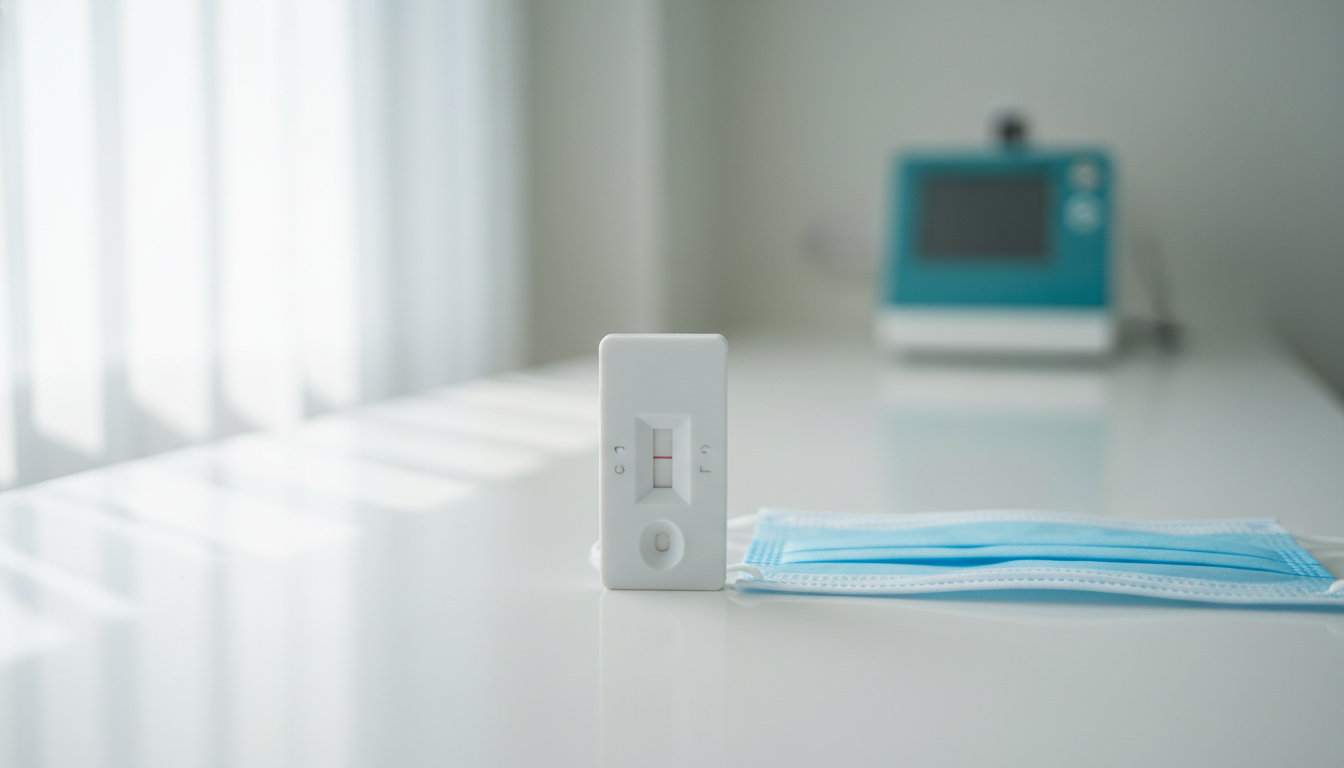
We perform a rapid influenza antigen test on a nasal or nasopharyngeal swab with results in fifteen minutes. The test distinguishes influenza A from influenza B and helps guide antiviral choice. A rapid COVID test and a strep throat test are added when the clinical picture is mixed. For patients with chest signs, we arrange a same-day chest X-ray at a partner medical center. Blood tests including full blood count and C-reactive protein are sent to a partner laboratory when bacterial complication is suspected.
The clinic dispenses oseltamivir, paracetamol, ibuprofen, antitussives, decongestants, nasal sprays, and oral rehydration salts on site, so most patients leave with everything they need in one visit. Referral letters to a partner hospital are arranged when admission is needed for hypoxia, severe dehydration, or progression to pneumonia.
Treatment options
Antiviral medicine is the cornerstone of flu treatment for moderate to severe cases and for patients at high risk of complications. Oseltamivir is given as a five-day oral course of 75 mg twice daily for adults, with weight-based dosing for children. The treatment is most effective when started within 48 hours of symptom onset, although later treatment is still considered for high-risk patients and those with severe disease. Side effects are usually limited to mild nausea. Zanamivir (an inhaled antiviral) and baloxavir are alternatives in selected cases.
Symptom relief covers paracetamol for fever and aches, ibuprofen if there is no contraindication, decongestants and saline nasal sprays for blocked nose, lozenges and warm fluids for sore throat, and adequate hydration. Cough suppressants are used short term at night. Bed rest and avoiding contact with vulnerable people, especially in the first three to five days when virus shedding is highest, prevents household and workplace spread. Patients are given a sick note for two to five days depending on severity and occupation.
Antibiotics do not treat influenza and are reserved for proven bacterial complications such as pneumonia, sinusitis, or otitis media. Empirical antibiotic prescribing without indication is one of the leading drivers of resistance in Thailand and we follow current guidance to avoid it.
Severe cases with breathlessness, hypoxia, or signs of pneumonia are admitted to a partner hospital for oxygen, IV fluids, intravenous antibiotics for bacterial co-infection, and where indicated intravenous antiviral therapy. We coordinate the transfer with a written referral letter and call ahead to the receiving doctor.
Prevention and aftercare
Annual influenza vaccination is the single most effective measure to prevent influenza, particularly for people with chronic health conditions. We offer the seasonal influenza vaccine year-round at our Bangkok clinic, with the current quadrivalent vaccine that covers two influenza A and two influenza B strains. Vaccination is recommended for everyone over six months of age, especially those aged 65 and above, pregnant patients, children aged under five, and people with chronic conditions. Travelers from the northern hemisphere who arrive in Bangkok in the local flu peak benefit from a top-up vaccination if it has been more than six months since their last shot.
Beyond vaccination, frequent hand washing, masking in crowded spaces during peak flu seasons, avoiding contact with sick people, and staying home when ill all reduce transmission. Patients in close contact with a confirmed flu case can sometimes receive prophylactic oseltamivir, particularly if they are at high risk. The doctor will assess whether prophylaxis is appropriate.
After treatment, follow up if fever returns after initial improvement, if breathing worsens, if cough persists beyond two weeks, or if you remain unwell. Pneumonia after flu is the most common serious complication and is treatable when caught early. Patients with persistent cough should have a chest X-ray to exclude post-viral pneumonia.
For travelers and expats in Bangkok
Travelers presenting at Take Care Clinic with flu symptoms typically need three things: a fast diagnosis with a rapid test so the right treatment starts within the 48-hour window, the right medication in hand so they do not chase pharmacies, and clear written instructions and a sick note for travel insurance or work. We provide all three. Most flu patients are diagnosed within an hour of arrival and walk out with oseltamivir, symptom-relief medication, oral rehydration salts, and a sick note.
For families with sick children, the clinic stocks paediatric oseltamivir suspension, paracetamol, ibuprofen, and oral rehydration salts. For business expats with a tight schedule, we offer hotel and home visits across Bangkok if you cannot travel with a high fever, see our hotel visit service for details.
Related services include fever treatment, bronchitis treatment, upper respiratory tract infection treatment, sinus infection treatment, sore throat treatment, strep throat treatment, cold sores treatment, ear infection treatment, IV drip therapy, and emergency medical care.
FAQ
How fast can I be seen?
Most patients are examined within thirty to sixty minutes of walking in or messaging on WhatsApp. The clinic provides extended hours and no appointment is required for acute symptoms.
Do I need a referral?
No. Flu treatment in Bangkok at Take Care Clinic is direct walk-in care. We provide referral letters to specialists or hospitals if admission or advanced care is needed.
Will insurance cover this?
We provide an itemised receipt with diagnosis codes that most international travel insurers accept for reimbursement. Some insurers offer direct billing, please share your policy details in advance.
Hotel-visit option?
Yes. A doctor can visit your hotel or apartment in central Bangkok for the same rapid flu test and treatment, useful for families with a febrile child or patients too unwell to travel. A point-of-care testing kit and starter pack of common flu medications travel with the doctor.
Should I get the flu vaccine in Bangkok?
Yes, especially if you live in Bangkok or visit for extended periods. We stock the current seasonal influenza vaccine and administer it on a walk-in basis. Travelers who arrive in our local peak season after a long gap from their last shot benefit from a top-up.
Will I need antibiotics?
Antibiotics do not treat influenza and are not given routinely. They are reserved for proven bacterial complications such as pneumonia or sinus infection. Our doctor will assess and prescribe only when indicated.
When can I fly?
Most healthy adults are fit to fly 48 hours after the fever settles. If you have lower respiratory symptoms or are coughing significantly, the doctor may advise delaying. Airline rules vary, and we provide a fit-to-fly letter on request after examination.
Closing summary
Flu treatment in Bangkok at Take Care Clinic combines a same-day rapid test, prompt antiviral medicine within the critical 48-hour window, on-site dispensing of all the symptom-relief medications you actually need, and clear written instructions plus a sick note for insurance or work. Whether you are a traveler hit by flu after a long-haul flight, an expat caring for a febrile child, or someone with chronic conditions needing especially high-risk attention, our walk-in model delivers the right diagnosis and treatment within an hour. As our medical lead summarises, “The flu is one of those problems where speed wins. A rapid test, oseltamivir started within 48 hours, and an honest conversation about rest and hydration gets most patients back on their feet within a week.”
Need urgent care in Bangkok? Call +66 62 674 6771 or WhatsApp +66 95 073 5550. Book now
Take Care Clinic, Sukhumvit Soi 13, Bangkok.
References
1. World Health Organization. Influenza (seasonal) fact sheet. Available at https://www.who.int/news-room/fact-sheets/detail/influenza-(seasonal).
2. Centers for Disease Control and Prevention. Influenza antiviral medications. Available at https://www.cdc.gov/flu/treatment/antivirals/index.html.
3. NHS. Flu: symptoms and treatment. Available at https://www.nhs.uk/conditions/flu/.
4. Mayo Clinic. Influenza (flu) diagnosis and treatment. Available at https://www.mayoclinic.org/diseases-conditions/flu/diagnosis-treatment/drc-20351725.
5. Cochrane. Neuraminidase inhibitors for influenza. Available at https://www.cochrane.org/CD008965/ARI_neuraminidase-inhibitors-preventing-and-treating-influenza-in-healthy-adults-and-children.
6. Thailand Ministry of Public Health. Seasonal influenza vaccination guidance. Available at https://ddc.moph.go.th/.
Medically reviewed by Dr Ponlawat Pitsuwan, MD. Last updated 24 May 2026.