Need urgent care in Bangkok? Call +66 62 674 6771 or WhatsApp +66 95 073 5550. Book now
Take Care Clinic, Sukhumvit Soi 13, Bangkok.
Travelers, expats, and digital nomads often find themselves needing stitches removed days or weeks after a surgical procedure abroad, a scooter accident on a Thai island, or a cosmetic surgery booked in Bangkok itself. Take Care Clinic in Sukhumvit provides safe, quick, and gentle suture removal as a same day service, with the medical team checking the wound, removing the stitches, applying any needed dressing, and giving clear after care advice in a single visit. Medically reviewed by Dr Ponlawat Pitsuwan, MD.
When and Why Suture Removal Matters
Sutures, often called stitches, are placed to hold the edges of a wound together so it can heal cleanly with the best possible cosmetic outcome. Leaving non absorbable sutures in too long traps bacteria around the suture track and increases the risk of infection and visible cross hatch scarring, while removing them too early risks wound edge dehiscence. Timing therefore matters and depends on the wound location and the type of suture used. The general guidance our team follows aligns with NHS and Mayo Clinic recommendations and includes face sutures at four to six days, scalp at seven to ten days, trunk and upper limb at ten to fourteen days, and lower limb and joints at fourteen days. Patients on steroids, with diabetes, or with reduced healing capacity may need an extended interval, which is decided at the visit after examining the wound.
Many of our patients have had a procedure outside Thailand or on an island, where the original team gave instructions to return for stitch removal but cannot conveniently see the patient. Others have had cosmetic surgery in Bangkok and prefer a calm clinic environment over returning to a large international hospital. Take Care Clinic is set up for exactly this: a small, English speaking medical service in central Sukhumvit, with the equipment, time, and experience to remove stitches safely and document the visit for your records.
What Happens at Your Visit
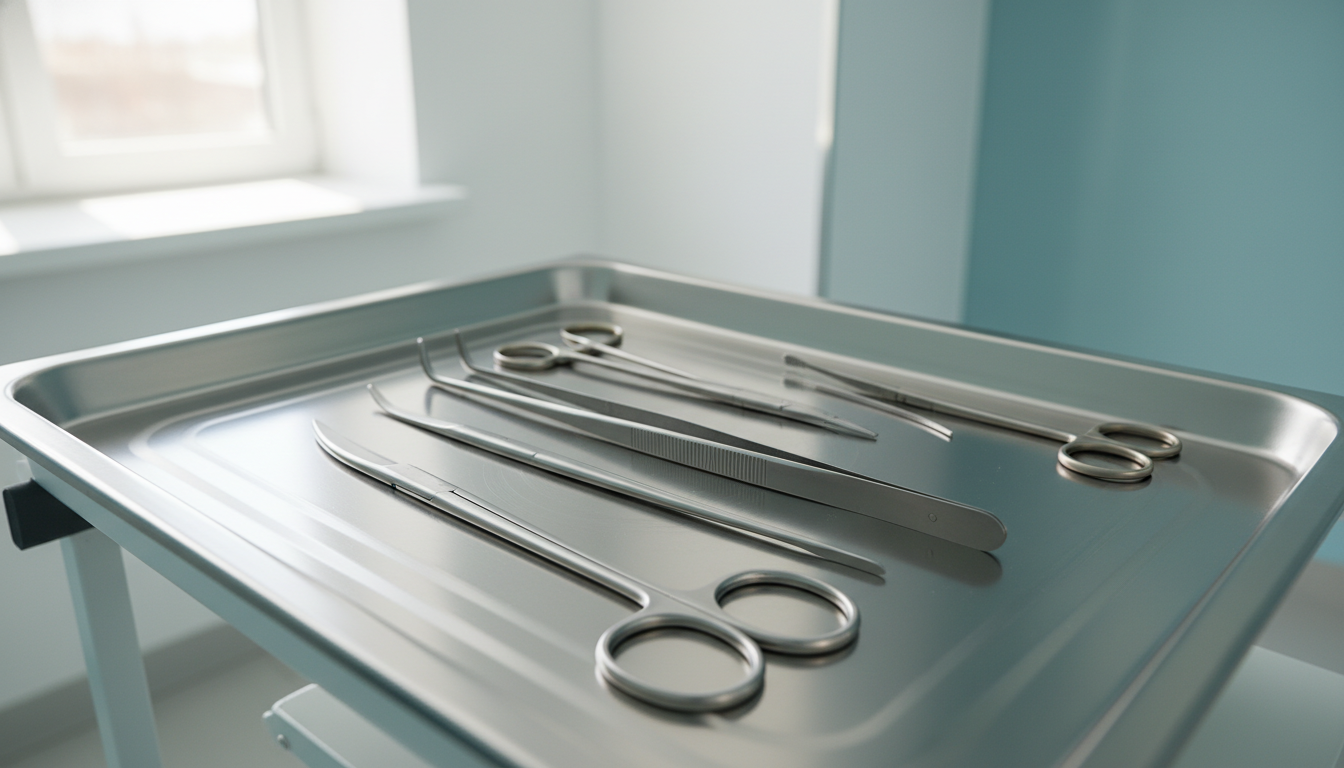
The appointment usually takes fifteen to thirty minutes. Our doctor examines the wound, palpates for tenderness, checks for redness or discharge that might indicate infection, and confirms that the edges are well healed. We clean the skin with antiseptic, lift each suture knot with sterile forceps, snip beneath the knot with a sharp pointed scissor blade, and gently pull the suture through. This is largely painless. A small number of sutures, especially those that have started to dig into the skin, may give a brief stinging sensation, and we use a topical anaesthetic spray if needed for sensitive sites such as the face or fingers.
If the wound is not yet ready, our team will say so and reschedule. Pulling sutures too early is one of the more common causes of avoidable scarring. We may apply skin closure strips, known as Steri Strips, after removal to support the wound edges for a further three to seven days. For deeper or higher tension wounds we may leave alternate sutures in place for a few more days to give the wound additional support. Cosmetic wounds and surgical scars get particular attention to support the best long term result.
Staple, Skin Glue, and Absorbable Suture Care
Take Care Clinic also removes surgical staples, common after orthopaedic, abdominal, and trauma surgery. We use a sterile staple remover that lifts each clip in seconds and leaves a clean track. Skin glue does not need active removal and peels off naturally over a week to ten days. Absorbable sutures dissolve over a few weeks and do not need to be removed, although the visible knot ends can be trimmed if they irritate. If you are not sure what kind of stitches you have, bring the discharge paperwork from the original procedure and we will check at the visit.
Wound Care After Stitch Removal
The first forty eight hours after removal matter. Keep the wound clean and dry. Pat it gently after showering rather than rubbing. Avoid swimming, hot tubs, and the sea for at least one week. Avoid heavy lifting and stretching of the area for two weeks. For facial scars and any cosmetic procedure scar, apply broad spectrum sunscreen of at least SPF 50 daily for six months to reduce the risk of permanent hyperpigmentation, which is more common in the tropical Thailand sun. Silicone gel or silicone sheet, started two weeks after removal and used for two to three months, gives the best cosmetic outcome for hypertrophic scars. We provide written aftercare instructions in English, and we are available by WhatsApp if you have questions during recovery.
If you notice spreading redness, hot skin, increasing pain, fever, or pus discharge in the days that follow, contact us. These features can signal a wound infection that needs antibiotic treatment. For severe or extensive wound infection we refer to a partner hospital for surgical review.
Hotel Visit Suture Removal
If you cannot easily reach our Sukhumvit clinic, our doctor hotel visit service brings the suture removal kit, antiseptic, skin closure strips, and dressings to your room. This is especially useful for patients who have had abdominal surgery, orthopaedic procedures, or large wounds where movement is uncomfortable. The doctor can also issue any insurance paperwork at the same visit and arrange a follow up by WhatsApp.
Related Services at Take Care Clinic
If you have a new injury from a scooter accident or fall that needs cleaning, suturing, or tetanus cover before the wound is closed, see our accident and trauma treatment page. Ongoing dressing changes between sutures and stitch removal are covered by our professional wound dressing services. For an animal scratch or bite that needs rabies and tetanus assessment alongside wound closure see animal bite treatment. If the wound has become red, hot, and spreading, see cellulitis treatment. For wounds that develop a rash or contact dermatitis around the dressing see skin rash treatment. For an insect bite that has become infected see insect bite treatment. For fever after any minor procedure see fever treatment.
Cost, Insurance, and Documentation
Our pricing for high quality suture removal is well below the outpatient fees of major international hospitals in Thailand, and we keep the service quick so you can get on with your day. We also help with any related documentation. We issue itemised English medical receipts that meet documentation requirements for Cigna, Allianz, AXA, April, Bupa, IMG, GeoBlue, World Nomads, SafetyWing, and most major travel insurers. We can also provide direct billing for some policies and a fit to fly letter where needed.
Frequently Asked Questions
Can the doctor come to my hotel for suture removal? Yes. Our doctor hotel visit service covers Sukhumvit, Silom, Sathorn, Riverside, and most central Bangkok hotels. The doctor brings a sterile suture removal kit, antiseptic, Steri Strips, and dressings, and can issue paperwork on the spot.
Will my travel insurance cover suture removal? Most international travel insurers reimburse follow up wound care including stitch removal, especially when the original procedure was covered. We provide itemised English receipts and clinical notes that meet the documentation needs of the major insurers.
Does suture removal hurt? It is usually painless and quick. A few sites such as the face or fingertips can feel a brief sting; we use topical anaesthetic spray when helpful. Patients usually describe it as far less uncomfortable than the original procedure.
How soon can I shower, swim, or fly after stitch removal? You can shower after twenty four hours, but pat the area dry. Avoid swimming and hot tubs for at least one week to keep the healing wound away from contaminated water. Flying is safe immediately after most routine suture removals, unless your underlying procedure had separate restrictions.
What if my wound looks infected? Call us. Spreading redness, increasing pain, fever, or pus discharge needs an in person review the same day. We will assess the wound, take a swab if needed, and start antibiotics or refer to a partner hospital depending on severity.
Citations
NHS. Wound Management and Stitches.
Mayo Clinic. Cuts and Wound Care First Aid.
CDC. Wound Care After a Disaster.
Cochrane. Skin closure techniques for lacerations.
American Academy of Family Physicians. Laceration Repair: A Practical Approach.
World Health Organization. Tetanus.
Medically reviewed by Dr Ponlawat Pitsuwan, MD.
Need urgent care in Bangkok? Call +66 62 674 6771 or WhatsApp +66 95 073 5550. Book now
Take Care Clinic, Sukhumvit Soi 13, Bangkok.