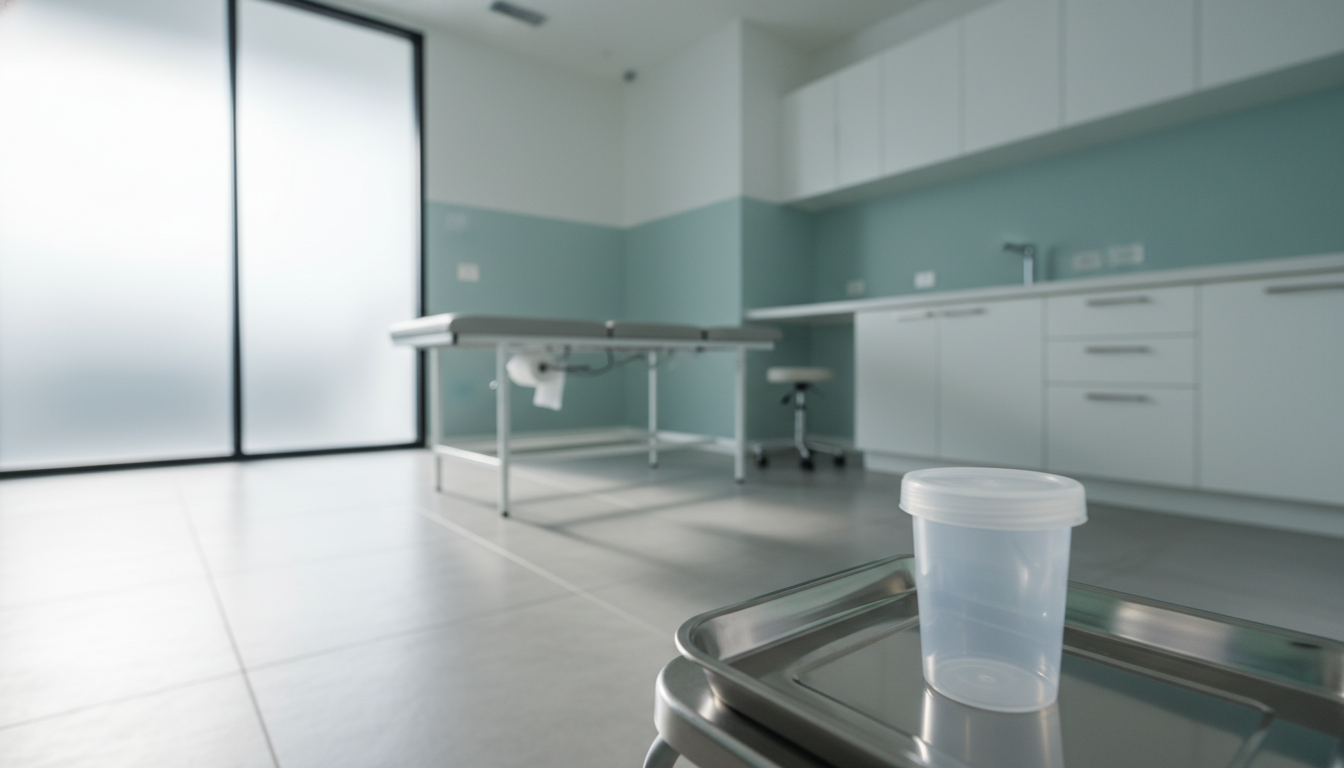
A urinary tract infection (UTI) hits without warning: sudden urgency, burning during urination, pelvic pressure, sometimes blood in the urine. For travelers and expats in Bangkok, what makes a UTI worse is not the infection itself but the delay in getting seen. At Take Care Clinic on Sukhumvit Soi 13, our English-speaking doctors diagnose UTIs the same day you call, dipstick your urine in minutes, and start the right antibiotic immediately. We also send a physician to your hotel anywhere in Bangkok if frequent bathroom trips are making the trip to a clinic unbearable.
Most uncomplicated UTIs improve within 24 to 48 hours of the first dose of the correct antibiotic. Untreated, the same infection can ascend to the kidneys and become pyelonephritis, which can require hospitalisation, IV antibiotics, and in severe cases lead to serious complications that ruin a trip outright. This page explains what a UTI actually is, how we diagnose and treat it at the clinic, when a hotel visit is the better option, and what the whole thing costs in Bangkok.
Get UTI Treatment Today in Bangkok
Don’t wait it out. Same-day clinic appointments and hotel visits are available across central Bangkok. Call or WhatsApp now and you can be on antibiotics within the hour.
Phone: +66 62 674 6771
WhatsApp: +66 95 073 5550
Clinic: Take Care Clinic, Sukhumvit Soi 13, Khlong Toei, Watthana, Bangkok 10110
Understanding Urinary Tract Infections
A UTI is a bacterial infection anywhere along the urinary tract, most often caused by Escherichia coli bacteria that normally live in the bowel migrating into the urethra. Once inside, the bacteria adhere to the bladder wall and multiply, and the body’s inflammatory response produces the symptoms patients recognise: urgency, frequency, and burning. Where the infection sits determines how serious it is. Cystitis is a lower-tract infection of the bladder, uncomfortable but rarely dangerous, and treated with a short course of oral antibiotics. Pyelonephritis is an upper-tract infection of one or both kidneys; it can cause permanent kidney damage or sepsis and sometimes requires hospital admission and intravenous antibiotics. Urethritis, infection of the urethra alone, often points to a sexually transmitted cause and is investigated alongside other sexually transmitted infections.
Travelers and expats in Thailand experience UTIs more often than they do at home, and the reasons are mostly logistical. Sightseeing days mean fewer bathroom breaks and prolonged urine retention. Bangkok’s tropical heat concentrates urine through dehydration. Increased sexual activity during holidays, sometimes called “honeymoon cystitis,” mechanically introduces bacteria into the urethra. Different hygiene products and unfamiliar bathrooms shift the usual routine. Women are far more susceptible than men because the female urethra is much shorter, giving bacteria less distance to climb. Other risk factors include diabetes, urinary stones, recent catheterisation, structural abnormalities, menopause, and certain contraceptives such as diaphragms and spermicides.
Recognising UTI Symptoms
Classic cystitis presents with a sudden urgent need to urinate, small painful voids, a burning sensation called dysuria, pelvic pressure above the pubic bone, lower back pain, and cloudy, dark, or foul-smelling urine. Visible blood in the urine is alarming but common in bladder infections and not by itself a sign of something worse. A low-grade fever may be present but is rarely prominent.
Pyelonephritis is more dangerous and presents differently. Patients still have the cystitis symptoms but on top of that develop a high fever above 38.5°C with chills and shaking, sharp flank pain under the ribs on one or both sides, nausea or vomiting, and severe fatigue. Any traveler in Bangkok with this combination should be seen the same day; this is not a wait-and-see situation. Atypical presentations matter too: elderly patients sometimes show only confusion or new falls instead of urinary symptoms, and children may present with fever and irritability alone. Bacteria in the urine without any symptoms (asymptomatic bacteriuria) generally does not need treatment, with one important exception in pregnancy where treatment is required.
How We Diagnose UTIs at Take Care Clinic
Accurate diagnosis matters because several conditions mimic UTI symptoms, and giving antibiotics to someone with vaginitis or interstitial cystitis just delays the real diagnosis. Our standard workup starts with a focused history and physical examination, then a dipstick urinalysis in the clinic. The dipstick checks for leukocyte esterase (white blood cells suggesting inflammation), nitrites (evidence of bacteria), and blood. Results are ready in minutes, which is why we can prescribe before the patient leaves the room.
For more detail we send the sample for microscopic examination and, where needed, a urine culture with antibiotic sensitivities. Culture takes 24 to 48 hours and is essential when the patient has pyelonephritis, recurrent UTIs, treatment failure, complicated risk factors, is pregnant, or is male. Differential diagnosis runs in parallel: vaginitis, sexually transmitted infections including chlamydia, bacterial vaginosis, yeast infection, kidney stones, prostatitis in men, and early pregnancy can all produce overlapping urinary symptoms.
UTI Treatment Options
For uncomplicated cystitis in non-pregnant women, the international first-line antibiotics are nitrofurantoin 100 mg twice daily for five days, trimethoprim-sulfamethoxazole twice daily for three days, or a single 3 g dose of fosfomycin. Choice depends on local resistance patterns, patient history, allergies, and availability. Fluoroquinolones such as ciprofloxacin or levofloxacin work well but are reserved due to resistance concerns and side-effect profiles, particularly tendon and nerve effects flagged by international regulators. The Infectious Diseases Society of America (IDSA) sets out these preferences clearly in its UTI guidelines1.
Improvement is typically obvious within 24 to 48 hours. Symptoms ease, urgency settles, and the burning fades. Patients should still finish the full course even when they feel better; stopping early selects for resistant bacteria and is a common cause of recurrence. For the first day or two we often add phenazopyridine, a urinary analgesic that takes the edge off the burning and urgency while the antibiotic does its work. It turns urine bright orange, which is harmless and temporary, and should not be used beyond two or three days. Acetaminophen or ibuprofen helps with discomfort and any low-grade fever. Drinking 2 to 3 litres of water a day flushes the bladder; in Bangkok’s heat this often needs deliberate effort. Alcohol and caffeine both irritate the bladder and are best avoided until the infection has cleared.
Treating Pyelonephritis and Complicated UTIs
Kidney infections need a longer and broader course. Mild outpatient pyelonephritis is treated with a fluoroquinolone for 7 to 14 days, often started with a single ceftriaxone injection in the clinic to get antibiotic levels up quickly. Moderate-to-severe cases, or any patient who is vomiting, dehydrated, septic-looking, pregnant, or failing oral therapy, are admitted to hospital for IV antibiotics, intravenous fluids, and monitoring. We arrange admission to one of our partner Bangkok hospitals directly when indicated; you do not need to negotiate it yourself.
A UTI is considered “complicated” rather than uncomplicated whenever any of the following applies: pregnancy, male sex (anatomical differences make every male UTI a complicated UTI), structural urinary tract abnormalities, kidney stones or obstruction, recent urinary procedures, diabetes or immunosuppression, symptoms beyond seven days, or hospital-acquired infection. Complicated UTIs get longer antibiotic courses (7 to 14 days minimum), broader-spectrum drugs, mandatory urine culture, imaging to rule out obstruction or abscess, and a lower threshold for IV therapy. Severe presentations may also need emergency medical care or urgent admission.
UTIs in Pregnancy, Men, and Recurrent Cases
Pregnancy changes the rules. Pregnant women are more likely to develop pyelonephritis from an untreated bladder infection, and the consequences include preterm labour, low birth weight, and maternal sepsis. International guidelines recommend screening all pregnant women for asymptomatic bacteriuria and treating it, even though it does not need treatment outside pregnancy2. We use pregnancy-safe antibiotics such as nitrofurantoin (avoided near term), amoxicillin, or cephalexin, with a minimum seven-day course and a follow-up urine culture to confirm eradication. Fluoroquinolones and trimethoprim (especially in the first trimester) are avoided.
UTIs in men are uncommon and always considered complicated. The longer male urethra and antibacterial properties of prostatic fluid usually keep men UTI-free, so when a man does present with one we look harder for an underlying cause: prostate enlargement, kidney stones, a sexually transmitted urethritis, catheter use, immunosuppression, or unprotected receptive anal intercourse. Treatment runs 7 to 14 days, urine culture is mandatory, and STI testing including HIV and STD screening is offered to sexually active men.
Recurrent UTI means two infections in six months or three in twelve months. The causes are usually a combination of anatomy (short urethra, structural variants), behaviour (delayed voiding, dehydration, sexual activity), hormones (postmenopausal estrogen loss thins the protective vaginal flora), and medical factors (diabetes, stones, retained urine, prior antibiotic exposure selecting resistant bacteria). Management is layered: aggressive behavioural prevention, post-coital single-dose antibiotic prophylaxis for women whose UTIs cluster around sex, continuous low-dose prophylaxis for 6 to 12 months in difficult cases, vaginal estrogen for postmenopausal women, cranberry products and probiotics where the evidence is positive though modest, and self-start therapy with antibiotics kept on hand for women who recognise their own symptoms reliably. If none of that controls things, we refer to a urologist for imaging and further workup.
Preventing UTIs in Bangkok
The single most useful preventive measure is hydration, and that is doubly true in Bangkok. The heat concentrates urine and reduces voiding frequency, which is exactly the wrong combination. Aim for 2 to 3 litres of water a day, more if you are walking outdoors. Urinate when you feel the urge instead of holding on through one more temple visit. Empty the bladder fully each time. Wipe front to back. Void within 30 minutes of intercourse to flush out bacteria mechanically introduced during sex; this single habit prevents the majority of post-coital UTIs. Cotton underwear, change out of wet swimwear quickly, avoid harsh feminine washes and douches, and stick with plain water or gentle soap externally. Cranberry products may help prevent recurrence by reducing bacterial adhesion to the bladder wall; the evidence is mixed but the downside is minimal. Probiotics have some supporting data for recurrent infections. None of these substitute for antibiotics in an active infection.
Hotel Visit and Same-Day Clinic Options
Frequent urination and pelvic discomfort make travel inconvenient and sometimes impossible. For patients who cannot or do not want to come into the clinic, we provide UTI care through our doctor hotel visit service anywhere in central Bangkok. The visit covers a full consultation, dipstick urinalysis with immediate results, prescription and dispensing of the antibiotic and any urinary analgesic on the spot, pain medication if needed, written advice on prevention and follow-up, and coordination of escalated care if the picture turns out to be pyelonephritis rather than a simple bladder infection. The same workup is available at the Sukhumvit clinic with same-day appointments most days.
UTI Treatment Costs in Bangkok
UTI care in Bangkok is significantly less expensive than equivalent care in most Western countries and is straightforward to claim back on travel insurance. A standard consultation and examination runs 1,500 to 2,500 THB (about USD 45 to 75). A complete UTI evaluation including dipstick, antibiotic, and urinary analgesic typically falls between 2,500 and 4,500 THB (USD 75 to 135). The hotel visit add-on is 2,000 to 3,000 THB (USD 60 to 90). Urine culture, if indicated, is an additional 800 to 1,500 THB. We issue an English-language itemised receipt and a doctor’s note suitable for international travel insurance claims; UTI treatment is medically necessary care and is covered under standard travel and expatriate insurance policies.
Get UTI Treatment Today in Bangkok
Burning urination and constant urgency clear up within a day or two of the right antibiotic. Delay turns a simple bladder infection into a kidney infection. Same-day clinic appointments and hotel visits are available across central Bangkok with English-speaking doctors and on-site dispensing.
Phone: +66 62 674 6771
WhatsApp: +66 95 073 5550
Clinic: Take Care Clinic, Sukhumvit Soi 13, Khlong Toei, Watthana, Bangkok 10110
Frequently Asked Questions About UTI Treatment in Bangkok
Can I treat a UTI without antibiotics?
Some very mild bladder infections settle with hydration alone, but most need antibiotics for full clearance. Untreated UTIs can ascend to the kidneys, cause urosepsis, or leave permanent kidney damage, and antibiotics also produce far faster symptom relief than waiting it out. Cranberry products and increased water intake help with prevention, not active treatment.
Why do I keep getting UTIs after sex?
Sexual activity mechanically pushes bacteria from the vaginal and perianal area into the urethra; in some women this triggers a UTI almost every time. The single most effective preventive habit is voiding within 30 minutes of intercourse. Staying well hydrated, using adequate lubrication, and avoiding spermicides also help. For persistent post-coital UTIs we can prescribe a single-dose post-coital antibiotic taken after sex, which works well for many women.
How fast will antibiotics make me feel better?
Most women feel a clear improvement within 24 to 48 hours of the first dose. Burning fades first, then urgency and frequency settle. Phenazopyridine often gives noticeable relief within a few hours while the antibiotic does its work. If you are not improving after 48 to 72 hours, contact us; the bacteria may be resistant to that antibiotic, the diagnosis may be different, or the infection may have ascended to the kidneys.
Can I drink alcohol while on antibiotics for a UTI?
It depends on the antibiotic. Metronidazole and alcohol cause a severe reaction and must not be combined. Most standard UTI antibiotics (nitrofurantoin, trimethoprim-sulfamethoxazole, fluoroquinolones, cephalosporins) do not have a direct interaction with alcohol, but alcohol irritates the bladder and worsens UTI symptoms, can dehydrate you when you need extra fluids, and may amplify antibiotic side effects such as nausea. Easier to skip until the course is finished.
Do I need to see a doctor or can I use leftover antibiotics?
See a doctor. Proper diagnosis confirms it is actually a UTI, distinguishes simple cystitis from pyelonephritis (which need different drugs and durations), and picks an antibiotic the bacteria are likely to be sensitive to. Using leftover antibiotics frequently leads to inadequate treatment, delayed proper care, and resistance. UTI consultation and treatment in Bangkok is fast and affordable; it is not worth the gamble.
When should I go to hospital instead of the clinic?
High fever above 38.5°C with chills, flank pain on one or both sides, nausea or vomiting, severe fatigue, blood in the urine with systemic illness, or being unable to keep fluids down all suggest pyelonephritis and warrant urgent assessment. If you are pregnant and have any UTI symptoms with fever, the threshold for hospital is lower again. Call us first and we will arrange admission directly if needed.
References
1. Gupta K, Hooton TM, Naber KG, et al. International clinical practice guidelines for the treatment of acute uncomplicated cystitis and pyelonephritis in women. Infectious Diseases Society of America (IDSA) and European Society for Microbiology and Infectious Diseases. Clinical Infectious Diseases. Available at: idsociety.org.
2. U.S. Preventive Services Task Force. Asymptomatic bacteriuria in adults: screening. Available at: uspreventiveservicestaskforce.org.
3. Centers for Disease Control and Prevention. Urinary Tract Infection (UTI) basics. Available at: cdc.gov/uti.
4. National Institute for Health and Care Excellence (NICE). Urinary tract infection (lower): antimicrobial prescribing. NG109. Available at: nice.org.uk/guidance/ng109.
5. Mayo Clinic. Urinary tract infection (UTI): symptoms and causes. Available at: mayoclinic.org.
6. American Academy of Family Physicians. Urinary tract infections in adults. Available at: aafp.org.
Medically reviewed by Dr Ponlawat Pitsuwan, MD. Lead physician, Take Care Clinic, Sukhumvit Soi 13, Bangkok. Last reviewed 2026-05-24.